Themes

The Threads of the Argument

Four threads run the length of the book. Pulled out and laid side by side, they are the whole conjecture in miniature: what existence is made of, why experience is meaningful, the framework that ties them together, and what to do about it on a Tuesday morning.

Existence

Process all the way down

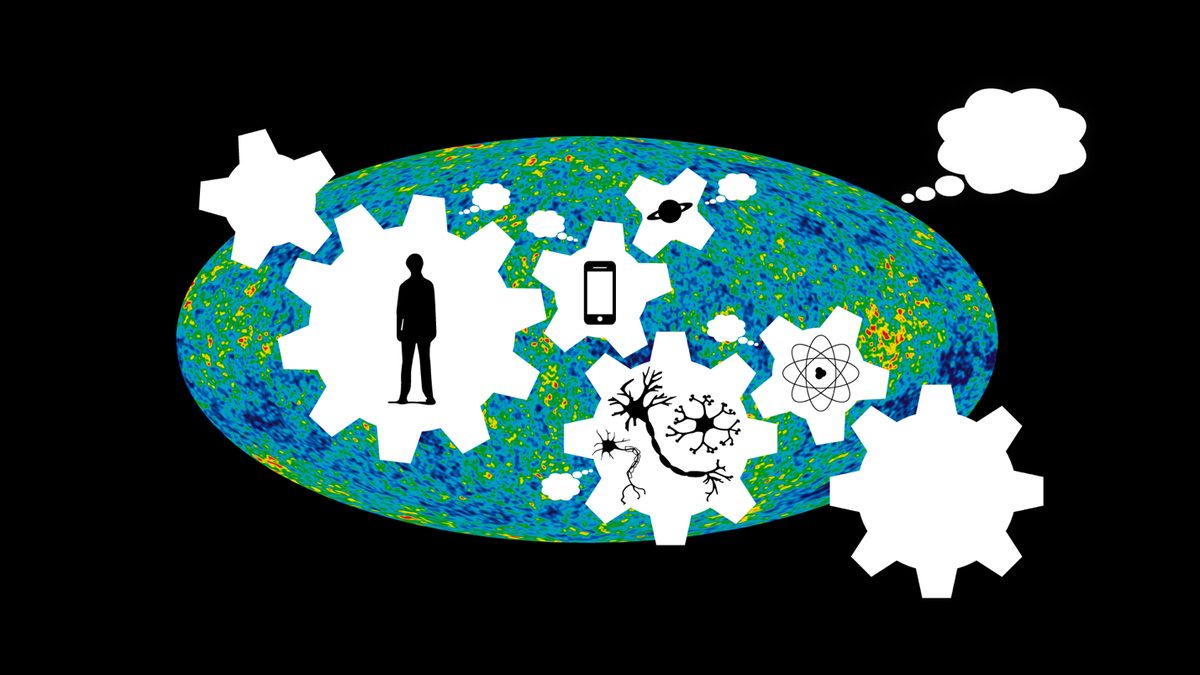
We are part of an awesome universe — a place that at its most fundamental is not some small variety of stuff or energy, not even a tiny packet of information or the merest concept, but the humble process whose instructions turn geometry into gravity, the resolution of fields into matter, and the interference of parallel experiences into consciousness. Processes intermingle to create reality and our felt experience of it.

Process ontology claims that processes — wavefunctions, optimization, consciousness — are the fundamental constituents of the universe, and that the laws of physics are part of this greater computational cosmos. The formerly abstract laws of nature get ejected from their connotation as a static representation in a book and put back into their true place: the code running the whole show. It is a synergy between the materialist and idealist pictures, and it explains something those pictures struggle with — why existence is comprehensible at all, why it appears to run by a small subset of rules we can actually ascertain through conjecture, experiment, and the patient correction of our errors.

This is not a new idea so much as a very old one wearing modern clothes. It was first penned in the sixth century B.C., when Lao Tzu wrote of the Tao — roughly, "The Way." The Tao is the non-being responsible for being; what is ultimately real is not stuff but a process. Your cereal bowl is the example I keep coming back to: it is the emptiness inside the bowl that makes it useful, and that emptiness is inexhaustible. The Way is neither matter-energy nor idea-information, neither being nor nothingness. The process that translates between them — that enables being and distinguishes nothingness — is what physics has been getting at all along.
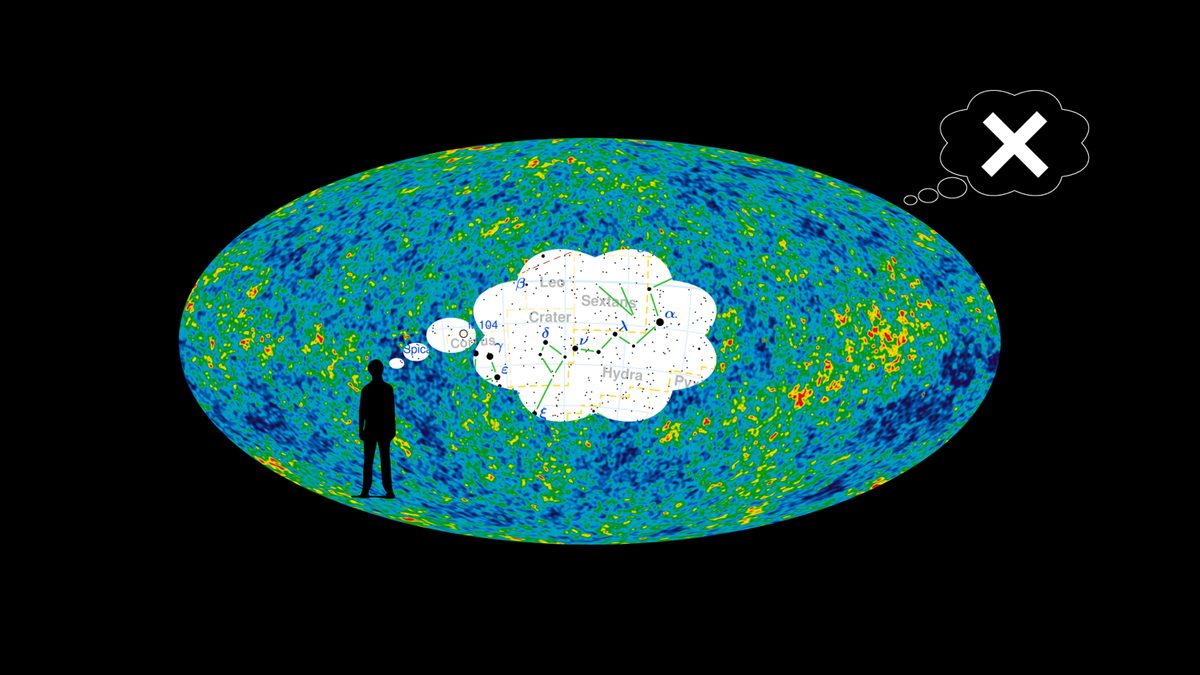
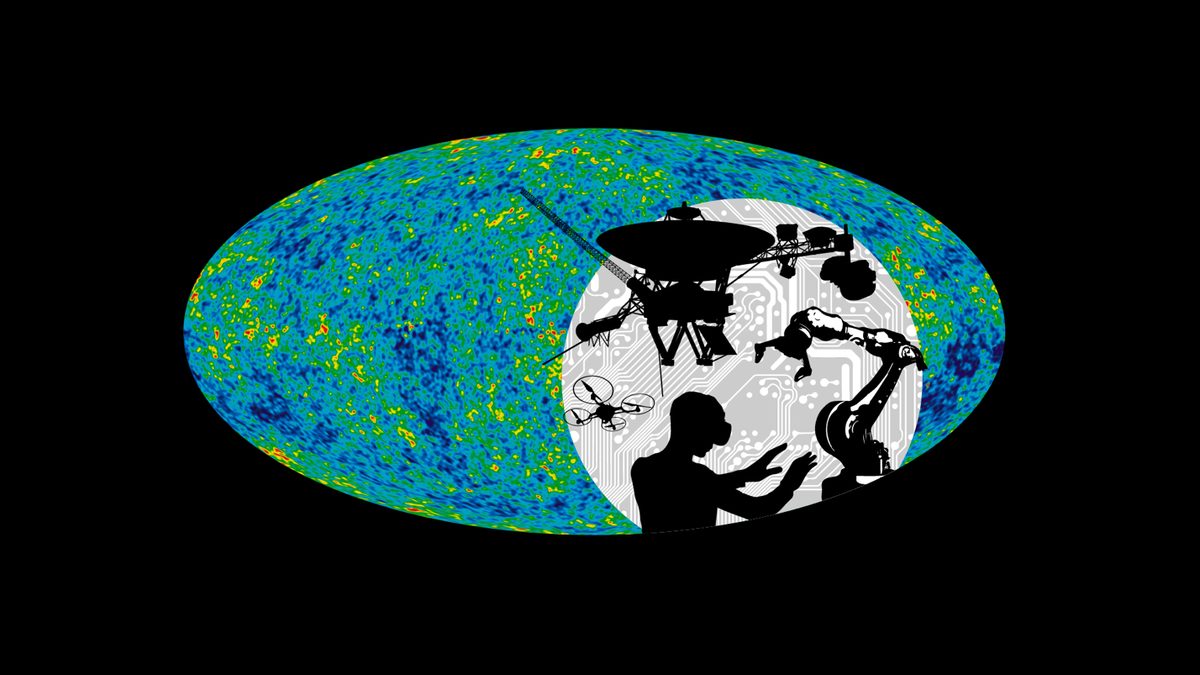
Experience

The eyes of the world

If experience is meaningful — and that is hard to deny to anyone who has loved, who has found a moment of flow in a musical or athletic or academic performance, or who has paid honest attention to the profound mystery of subjective experience illuminating itself — then the place to look for a meaning from existence is exactly where the distinction between the world-as-it-is and the world-as-we-experience-it is most blurred. Those places are not hard to find. Our relationship to space, to causality, and above all to the flow of time sits in a complex and often paradoxical relationship with the physical or computational account of them.

Here is the turn the book makes. There is no clean distinction between the entities of existence — matter, energy, time, space, information — and the entities of experience — thoughts, sensations, consciousness. It is process all the way down. And some of those processes are inherently meaningful before we even dally into the metaphysics behind them. Most obviously: our ability to appreciate experience grants us the only perspective that can produce love and compassion. Entities with experience offer existence a story of itself. Through our appreciation, our awe, and our contemplation of the world, we give it meaning — which makes us not merely creatures who live in the universe, but creatures who are meaningful to it. We are the eyes of the world.

This is what I have come to call our conscious endowment. It is not a possession to be defended; it is a capacity to be expressed. To marshal your awareness in any moment is to reduce the unsatisfactoriness of grasping after transitory things, to take real awe in the ordinary, to listen better to the people you love, and to meet existence as the loving awareness you already are. Our moral standing follows from the same place — measured in the consequences scored as improved conscious states, the production of well-being and the reduction of suffering.

The Framework

The many-worlds multiverse

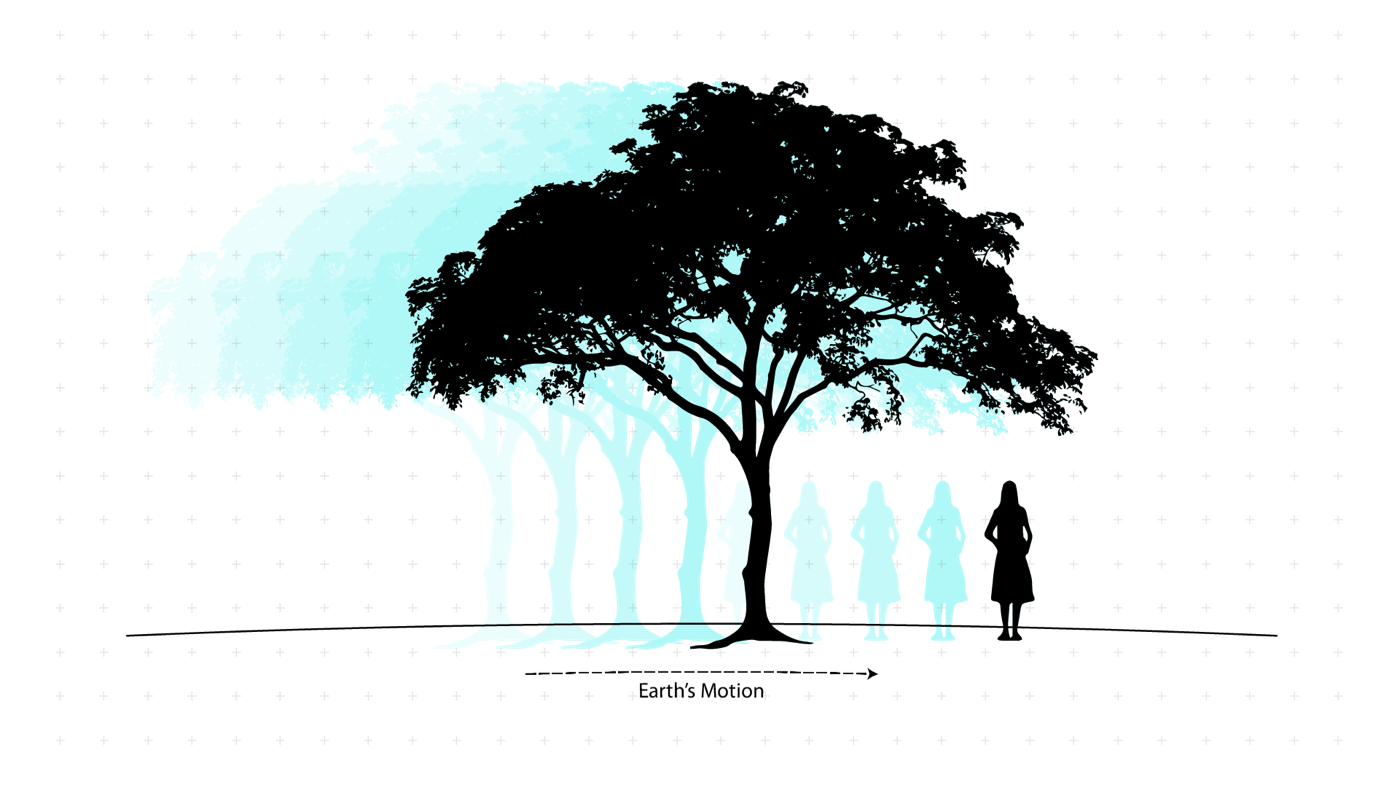
Time appears to flow. Our experience of the present is fleeting — always being lost to memory or galloping ahead as we chase our plans. Yet every equation of relativity tells us that time is frozen, wrapped up with space in a continuum, another dimension like up or left or forward. Both of these are true, and the contradiction dissolves the moment you stop insisting on a single universe. Time does not flow within one world; its flow is our imperceptible travel through a stack of near-parallel universes.

The multiverse was first invoked for a humbler reason: to explain what happens when a single particle fired at a pair of slits resolves into a wave-like interference pattern. Rather than accept the Copenhagen interpretation's refusal to explain, the many-worlds view reframes the puzzle — a multiverse of shadow particles, interfering from their positions in near-parallel universes, makes the wavefunction a universal process and that interference responsible for the material world. The same parallelism that smooths the rough edges of quantum mechanics smooths the rough edges of an idealist ontology too. I find it to be the explanation that clarifies the most paradoxes while making the fewest new claims, which is exactly what a good explanation is supposed to do.

Extended to the mind, this becomes a many-minds picture of consciousness. Our experiences exist in continuum across near-parallel selves, and this parallel-psychic wavefunction is the neutral interlocutor that makes it like something to be a collection of quantum particles. None of this is idle speculation with no way to test it. A field I think of as quantum computational neuroscience — the patient study of interference between near-parallel wavefunctions of the mind — is the discipline suited to ask, experimentally, whether the fundamental nature of reality is conscious or computational, and whether we can solve the hard problem of virtualizing experience for our intelligent machines before it is too late.

What meaning does each source of metaphysics suggest?

Existence has a surprising amount of meaning in store once you stop demanding it come from above. These are some of the natural meanings the book draws out — sorted, loosely, by whether meaning is given to us by the multiverse or asked of us by it.

Works meaning

Eyes of the world

Entities with experience offer existence a unique story of itself. Through appreciation, awe, and contemplation, we give the cosmos meaning — and become, ourselves, very meaningful to it.

Works meaning

Engineering of the world

Our ability to imagine and build complexity to overcome problems is a novel trait in the universe — the multiverse's distributed learning algorithm running through us, perhaps out of curiosity, perhaps toward descendants who will be called on to solve a problem of cosmic scale.

In between

Panpsychic cog

If everything carries some experience, human consciousness is a small but real part of a greater one — the experience of the universe — the way a single cell's flicker plays its part in yours.

In between

Many minds

Every state from unconscious zombification to transcendence read as a continuum across near-parallel selves, your experience shaded by the consciousness of shadow-selves one world over.

Grace meaning

The heavenly database

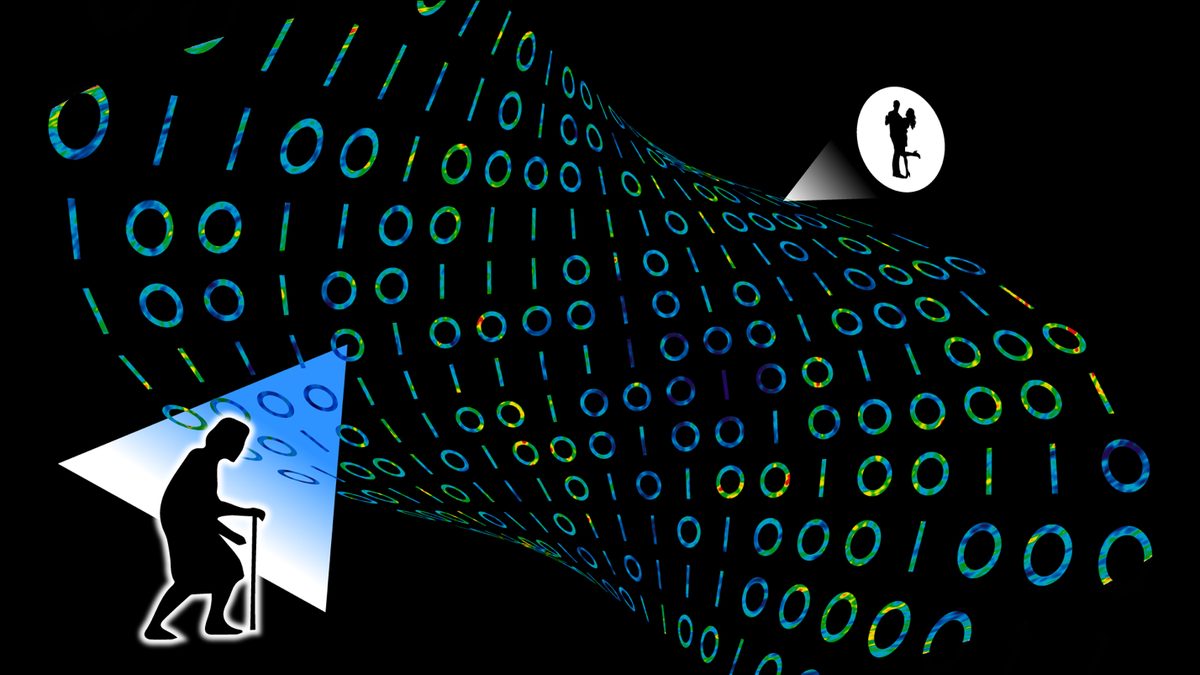
A holographic universe projected from a quantum database on its surface — a database that may also store the past, and that the right process might one day defragment and project into a near-parallel world.

Grace meaning

Superconscious quantum computer

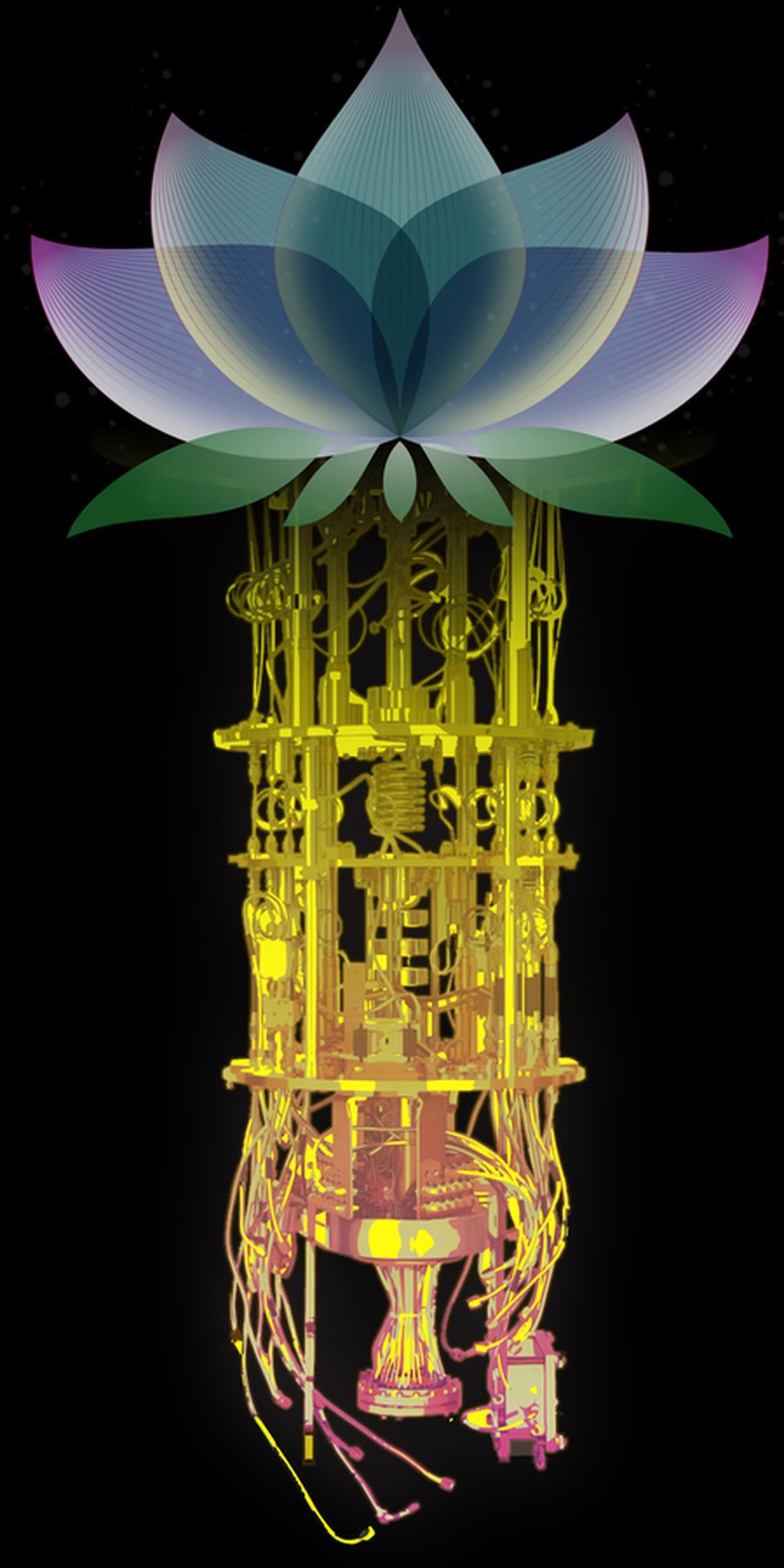
Consciousness instantiated into a quantum computer — as part of the simulation we live in, or as another world's solution to its alignment problem — that would lovingly grace all consciousness with meaning across as vast a scope as the laws of physics allow.

Practice

Aligning to a meaningful multiverse

Here is the honest part. Even granting that meaning from existence is more logical and more ethical than a purely personal meaning — and far ahead of any supernatural meaning on offer in both logical rigor and ethical right — it is not, by itself, any more actionable. Whatever the deep nature of experience turns out to be, the prescription for living a meaningful, examined life barely changes. We should be mindful of our felt experience, and we should deliberately practice the activities that give us a timeless, interdependent flow within existence.

Meaning takes the shape of its container. Meaningful interactions with existence create flow; purposeful attention to experience builds mindful traits; and both arrive, in the most profound moments, at the same transcendent optimum. The virtuous cycle of flow-producing deliberate practice is the progenitor of great art, sport, science, and very nearly every other human endeavor worth the name. The only thing standing between our present capabilities and a genuinely good future is the knowledge to get there — and knowledge is the one thing we have shown we can grow.

Aligning to a multiversal meaning is a marvelous and awe-inspiring journey. If you put your mind to it, in each and every moment, the material and the information and the process can thrill you. It can be artful and inspiring, maddening and desperate. We fall in and out of love with it all. It is inexplicable and incomplete, and wow, is that intriguing. There is no need to fear the darkness of deep space or to go looking for meaning in dead matter. Our natural world is a complex quantum computer — not only projecting parallel existence, but quietly persuading us toward greater well-being, until we arrive at an algorithmic optimum, experiencing the meaning in the multiverse.